

CHILD THERAPY IN BENICIA

CHILD THERAPY
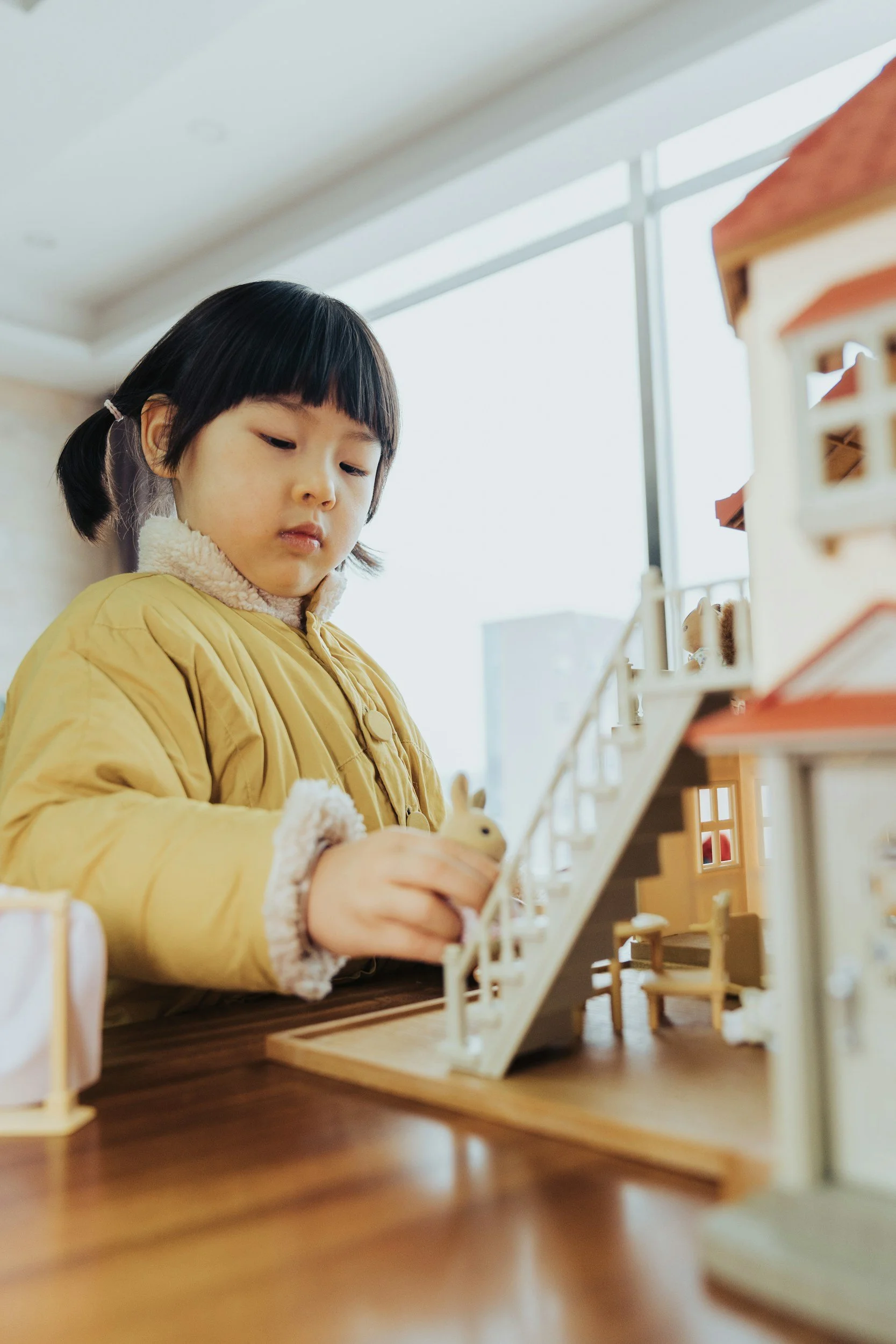
When a child is struggling, the whole family feels it. At The Connective Benicia, we provide compassionate, evidence-based therapy for children as young as five years-old in a warm and supportive environment.
A SAFE SPACE
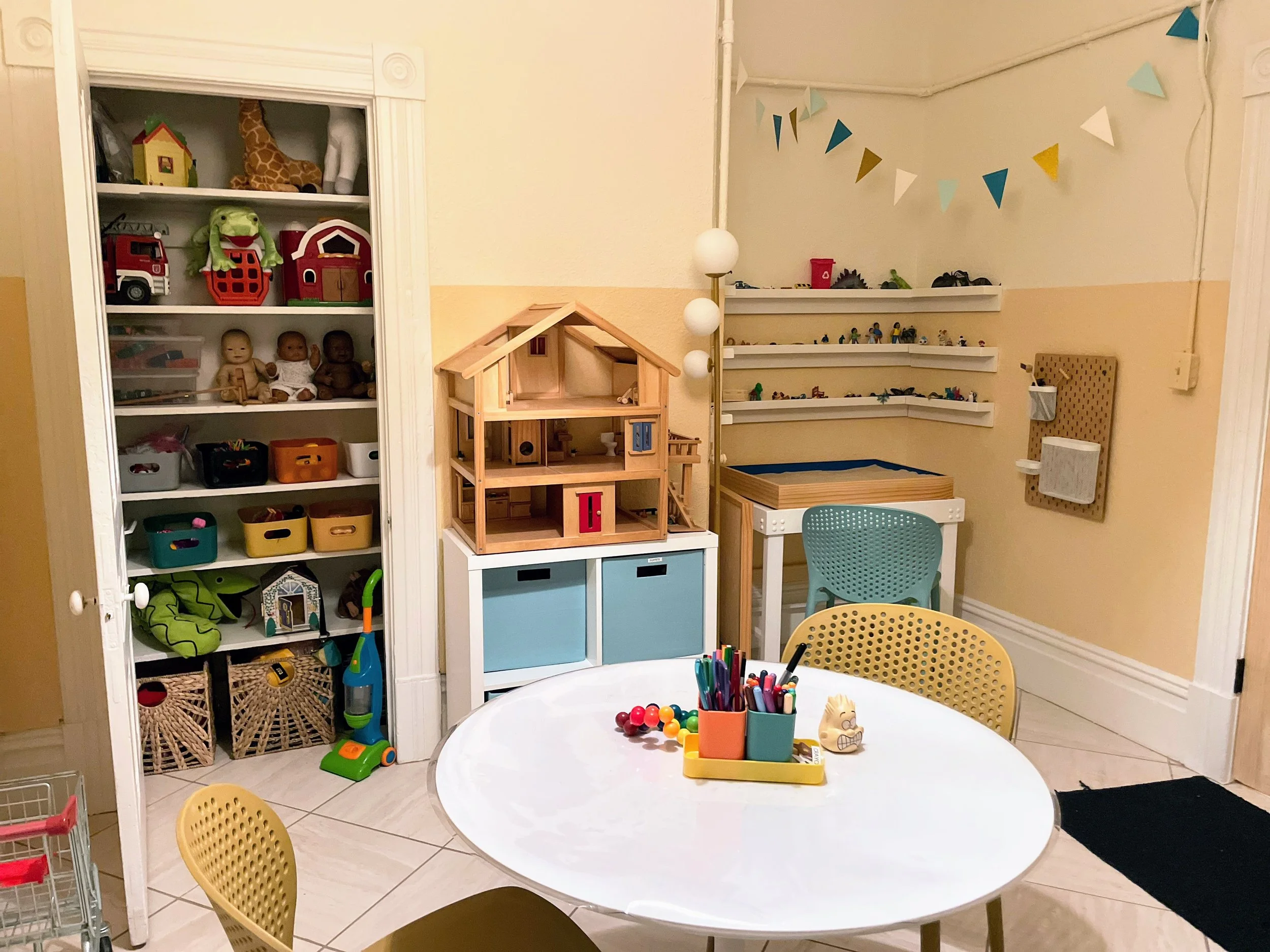
From the moment your child walks through our doors, we want them to feel welcomed, not analyzed. Our therapy spaces are designed to feel warm, calm, and developmentally appropriate. We move at your child’s pace and honor their unique temperament and strengths.
MEETING CHILDREN WHERE THEY ARE
Children communicate through play, creativity, movement, and connection. Our trained child therapists step into your child’s world with curiosity, warmth, and care. Through play therapy, expressive activities, nervous system regulation skills, and relationship-based work, we help your child build confidence and develop the tools they need to better understand and manage their emotions.
Therapy Can Support:
Anxiety + Excessive Worry
Separation Anxiety + School Refusal
Social Anxiety, Peer Difficulties
Emotional Regulation Challenges
Behavioral Issues at Home or School
ADHD / Impulse Control Concerns
Low Self-Esteem or Self-Confidence
Anger and Frustration
Adjustment to New School or Move
Persistent Sadness or Depression
Loss of a Loved One
Divorce and Family Transitions
Sibling Conflict
Trauma and Stressful Life Events
Sleep Difficulties, Nighttime Anxiety
Perfectionism and Fear of Failure
Sensory Sensitivities
Difficulty Expressing Emotions
CAREGIVER INVOLVEMENT
While therapy often involves individual sessions with your child, children thrive when the adults around them feel supported too!
Parent involvement plays an important role in helping your child practice new skills, feel supported at home, and fully benefit from the therapy process. For this reason, parent collaboration is an essential part of our process. The level of participation is thoughtfully tailored to your child’s age, needs, and developmental stage and may include:
Regular check-ins to share themes, progress, and strategies you can reinforce at home
Parent coaching to provide tools for navigating challenging behaviors or emotional struggles
Family sessions to strengthen communication, resolve conflicts, and foster connection
Collaborative goal-setting so everyone is working together toward growth and healing
Every child’s story is unique. Whether your child is navigating anxiety, big emotions, behavioral challenges, or a difficult transition, therapy can provide a steady, supportive space to feel understood and build meaningful skills. You don’t have to figure it out alone.
If you’re ready to explore child therapy, we invite you to reach out. We’d be honored to connect, answer your questions, and help you determine the next best step for your child and family
PLAY THERAPY
For children, play is more than fun...it’s their language! Unlike traditional talk therapy, play therapy honors where children are developmentally and meets them at their level.
WHAT IS PLAY THERAPY?
Play therapy is a developmentally appropriate form of counseling that uses play - a child’s natural language - to help them express feelings, process experiences, and build healthy coping skills. Just as adults use words in therapy, children use toys, storytelling, art, and imagination to communicate what’s happening inside.
Through play, children can safely explore big emotions, work through challenges, and strengthen emotional regulation in a way that feels natural and engaging.
IS PLAY THERAPY JUST PLAYING?
Not at all. While it may look like simple play, each activity serves a thoughtful therapeutic purpose. Your child will meet one-on-one with a trained therapist in a carefully designed playroom filled with intentionally selected materials.
As your child plays, the therapist notices patterns and themes, reflects emotions, and gently guides the process, thoughtfully tailoring each session to support your child’s unique needs and treatment goals.